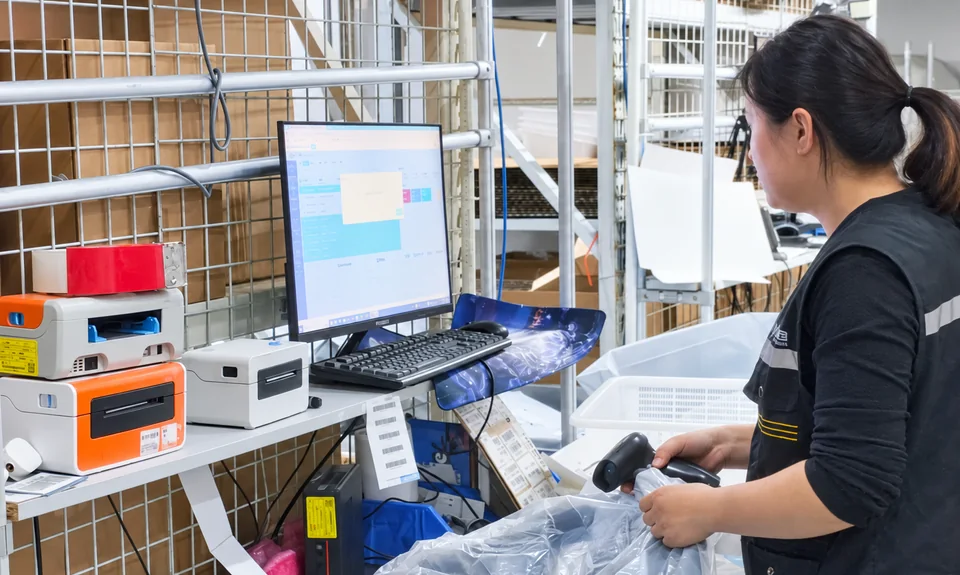
Packing & shipping
One order, two parcels: keep contents and tracking connected
Map each item to its parcel, record separate releases and explain what remains. A delivered first package should not hide an unfinished second one.
Read articleOrder care
Separate the label, warehouse release and carrier receipt before deciding what to tell a buyer or which team should investigate.
A label-created event does not, by itself, prove that the carrier has the parcel. FedEx distinguishes label preparation from receipt at its facility or collection by its courier. Other networks may use different wording. Begin with the exact event, its timestamp and the tracking page that displayed it; do not turn a missing scan into an immediate lost-parcel diagnosis.
Keep three milestones separate: the label was generated, the warehouse released the goods, and a transport provider accepted them. A warehouse scan is useful for the warehouse record but is not automatically the international carrier’s receipt. The missing link between those milestones determines which question to ask next.
Ask the team holding the parcel for the matching dispatch record, collection reference or acceptance evidence available for the agreed service. Check that the record identifies this parcel rather than only a whole collection. A photograph of a sealed box can show packing, but without a link to the order and handover it does not establish carrier possession.
If dispatch is not confirmed, ask whether the goods remain in the warehouse, whether a collection is booked and what action is outstanding. If collection is confirmed but carrier tracking is unchanged, ask the relevant transport contact to trace the handover reference. Set a specific next update with an owner instead of relying on “tracking will appear soon.”
Some arrangements involve an origin transport record and a separate last-mile reference. Ask which number applies to the current stage, how it is linked to the order and whether the next carrier has actually accepted the goods. A newly allocated downstream number may exist before the parcel enters that network.
If a label was replaced because packing or routing changed, record both numbers and which one is active. Check the delivery details against the order without circulating the buyer’s full personal information in a general support message. Do not keep refreshing an old label and mistake its inactive history for the current parcel’s history.
Here is an illustrative record, not a real shipment: Monday 09:10, label generated; Monday 15:40, warehouse release recorded; Tuesday 11:00, tracking still shows label created. The useful follow-up is not “Where is it?” It is “Please identify the acceptance record linked to this parcel, or confirm which party still holds it.” Times illustrate record-keeping, not a normal scan schedule.
If the reply only confirms that a collection was booked, leave carrier acceptance unresolved. If it supplies a matching acceptance record, add the reference and ask the transport contact for the next event or investigation step. Preserve the earlier record so a later explanation can be checked against what was actually known at each stage.
Etsy requires actual shipment before marking an order shipped. For a buyer enquiry, describe the confirmed milestone and the outstanding check. You might explain that the label is available and carrier acceptance is being verified, then give the next update time you can realistically honour. Avoid claiming the parcel is moving when you only have a label.
Do not prescribe a universal wait of 24 or 48 hours: the service, collection schedule and current event matter. Keep responding while the transport check continues. If an Etsy case is already open, put relevant information in its case log and follow its requests. A carrier investigation and the buyer’s order issue are separate workstreams; one does not remove the need to handle the other.
Your next decision
Find the last confirmed handover, match it to the active tracking reference, and give one named next action with a realistic update point.
Official references support the points identified below. Examples in this article illustrate planning decisions; they are not customer case studies.
Distinguishes label creation from parcel receipt or collection; other networks use their own event names.
Actual shipment before marking an order shipped.
Case-log communication and responding to Etsy requests; no automatic case outcome is inferred.
Share your product, destination and the decision you need help with. Our team can clarify the service scope and the next step with you.
Talk to our teamPacking & shipping
Map each item to its parcel, record separate releases and explain what remains. A delivered first package should not hide an unfinished second one.
Read article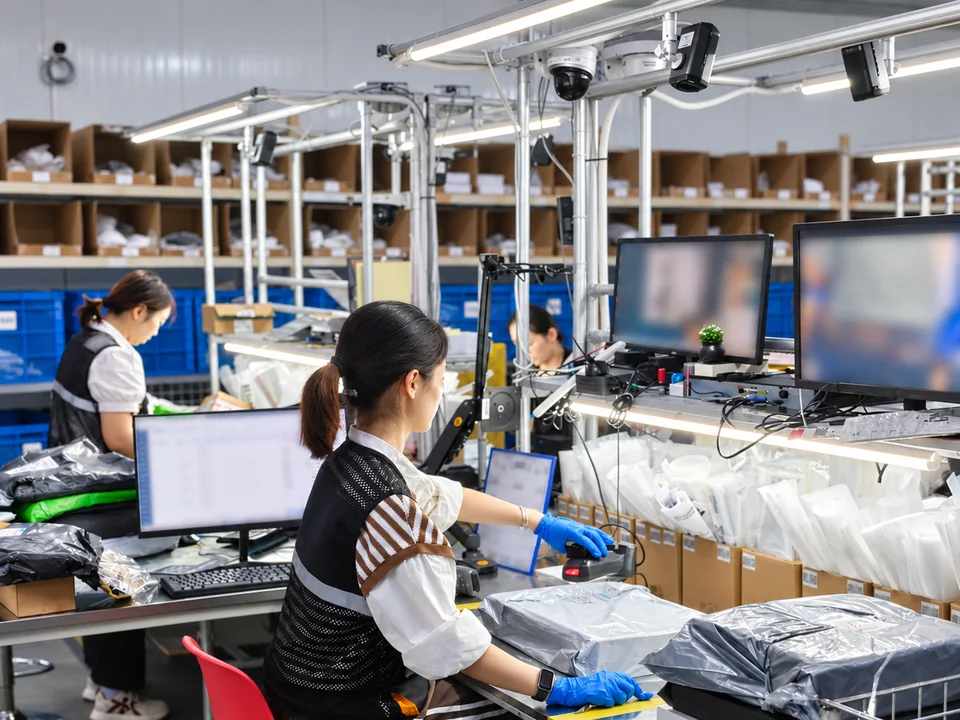
Order care
Link the product, inner protection, outer box and label to one order. Keep observations separate from assumptions about cause, compensation or return handling.
Read article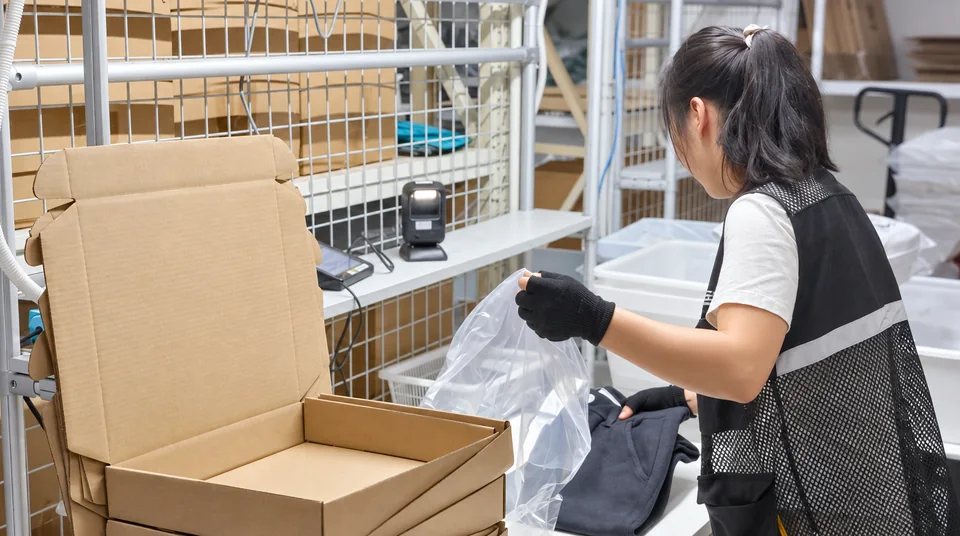
Planning your order
A practical way to compare two shipping proposals: match the goods, identify who handles import charges, and resolve exclusions before release.
Read article