The essentials
- Keep the shop order, warehouse SKU and approved instruction version connected.
- Check cancellations and changes through the agreed order channel before release.
- A prepared label and a physical carrier handover are different events.
Agree what each stage means
| Order stage | What needs to be clear | Useful record |
|---|---|---|
| Order received | The team has the order reference and the agreed data needed to review it. Receiving information does not by itself approve packing or dispatch. | Order reference, source channel and instruction version. |
| Waiting for clarification | A variant, stock quantity, personalisation or change needs a decision. Agree whether the order can be held and who answers the question. | The open question, decision owner and agreed next update. |
| Approved for preparation | The product mapping, quantities and packing version have been reviewed through the agreed approval process. | The approved instruction and who approved this stage. |
| Handed to the carrier | Confirm the physical handover separately from label creation. Carrier event wording and scan timing vary by network. | The collection or acceptance record, shipment reference and available tracking. |
| Exception under review | An issue needs follow-up. Agree who checks the evidence, decides the next action and updates the seller. | The issue, latest known event and next action owner. |
Connect the names used by your shop and the warehouse
“Sand” in your listing and “beige” in a supplier file may describe different products. Map the exact variant to a stable stock reference, with a photo or specification where useful. Agree what happens when a reference is missing; a similar-looking item should not silently replace the requested variant.
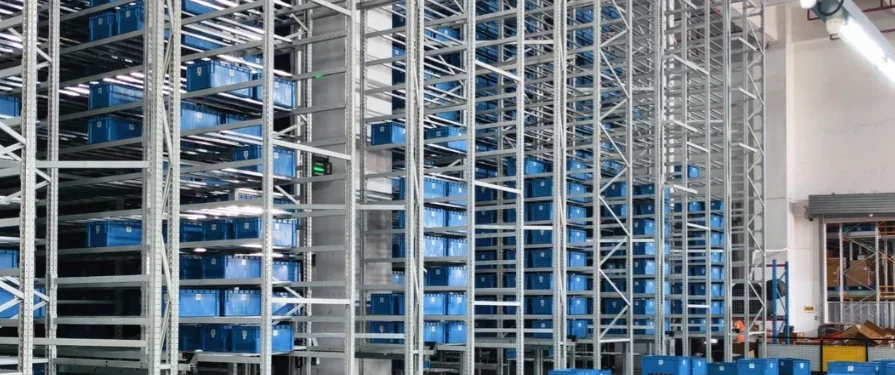
- Shop variant, warehouse SKU and quantity per order
- Set contents and items that must travel together
- Personalisation reference and the approved product specification
Make an instruction version easy to recognise
Use a dated product and packing reference. Identify the approved insert, label layout and any no-substitution rule. A new file in a message is a proposed change until the responsible people confirm which orders it applies to.
Give cancellations and changes a clear decision path
Agree who checks the seller’s order channel before preparation and release. ShipStation’s Etsy documentation warns that an Etsy cancellation is not automatically recognised in ShipStation; this is one reason to verify the actual connection rather than assume every status is synchronised. Confirm whether work or collection has already happened before promising a stop or amendment.
- Who checks a cancellation or updated instruction
- Which orders the change affects and whether work has started
- Who confirms a hold, restart or further handling, including any costs
Keep dispatch facts separate from buyer messages
Use the real dispatch location and agreed route. For US-bound Etsy orders, confirm the required DDP arrangement and included charges. Etsy requires sellers to mark an order shipped only after it is actually shipped. Agree who supplies tracking, who updates the shop and who responds to the buyer; this website does not automatically update an Etsy order.
A small example of a useful handover
This is an illustrative mapping for discussion, not a customer case or an approved order. The purpose is to make a mismatch visible before packing.
- Shop variant “Sand / 350 ml” → proposed warehouse reference MUG-SAND-350; confirm the match
- Set quantity: two mugs; proposed packing instruction PACK-v3; approval still required
- Personalisation: use the agreed private order field; the public planning draft uses [NAME] as a placeholder
- If the received stock says MUG-WHITE-350, ask for a decision before substituting it
Start with the part that is unclear
You do not need a complete operations document to ask a first question. Tell us the product and which handover step needs help. The editable checklist below is an optional discussion draft; detailed buyer address data and credentials belong in an agreed secure order channel.
Your editable checklist
Build your order handover checklist
Use this to plan an order handover with the team. It does not submit an operational order or authorise packing or dispatch. Every field is optional; leave unconfirmed details blank.
This draft stays on this page. Copy or download it to keep it before leaving or reloading.
Up to 350 characters per field. More detailed documents can follow separately.
Nothing is sent automatically. Do not include passwords, payment details or buyer personal data.
Questions sellers ask
Does sending this checklist authorise packing or dispatch?
No. It is a draft for discussion. The team still needs to confirm the service, current instructions, approval process and any costs through the agreed arrangement.
Can an order always be cancelled after a label is created?
Do not assume so. A label alone does not establish whether work or physical handover has happened. Ask the team to check the current stage and confirm what can still be changed.
Should I put buyer addresses or my Etsy password in the checklist?
No. Use internal references and placeholders here. Buyer delivery data and account authorisation are handled only through an agreed secure channel when needed.
Sources behind this guide
Public carrier and industry resources inform these preparation notes. The team confirms the requirements for your product and route.
- ShipStation: Etsy integration requirements
This integration’s order requirements, shipment handover and cancellation limitations explain why connection-specific checks matter.
- Etsy Shipping Policy
Seller responsibilities for actual dispatch location, US-bound DDP, shipment marking and buyer delivery.
- Etsy: third-party shipping providers
Shipping-data permissions vary by application, origin and connection history. A planning checklist does not grant API access.
- FedEx: tracking status meanings
A carrier example distinguishing a prepared label from physical parcel acceptance; other networks use their own events.